




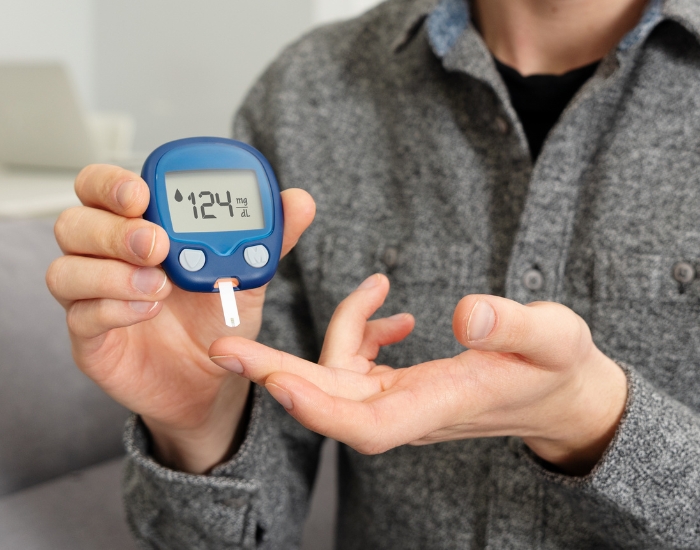
Recognizing the symptoms of high blood sugar early can make a critical difference in preventing long-term complications of diabetes. Many individuals searching for “high blood sugar symptoms” or “early diabetes signs” often experience subtle changes that may go unnoticed at first. Elevated blood glucose levels, medically referred to as hyperglycemia, can develop gradually, making early detection essential. Understanding these symptoms, their causes, and when to seek care from a primary care physician near me can help ensure timely diagnosis and effective management.
Table of Contents
- What is High Blood Sugar
- Causes of High Blood Sugar
- Symptoms of High Blood Sugar
- Additional Warning Signs
- When to See a Doctor
- Diagnosis
- Treatment and Prevention
- Recommended Clinic in Stafford
- Conclusion
- FAQs
What is High Blood Sugar
High blood sugar, or hyperglycemia, occurs when there is too much glucose circulating in the bloodstream. This condition is most commonly associated with diabetes mellitus, including both Type 1 and Type 2 diabetes. Glucose is the body’s primary source of energy, but it requires insulin, a hormone produced by the pancreas, to enter cells effectively.
When insulin production is insufficient or when the body becomes resistant to insulin, glucose accumulates in the blood. Over time, persistent high blood sugar can damage vital organs, including the heart, kidneys, nerves, and eyes. Early recognition of symptoms of high blood sugar is essential to prevent progression and complications.
Causes of High Blood Sugar
Several underlying factors contribute to elevated blood glucose levels. The most common cause is diabetes, but other conditions and lifestyle factors can also play a role.
Insulin resistance is a major contributor, particularly in individuals with Type 2 diabetes. In this condition, the body’s cells do not respond effectively to insulin, leading to increased glucose levels. Poor dietary habits, especially high intake of refined carbohydrates and sugary foods, can also trigger spikes in blood sugar.
Sedentary lifestyle patterns reduce the body’s ability to regulate glucose efficiently. Additionally, stress and illness can elevate blood sugar levels due to hormonal changes. Certain medications, including corticosteroids, may also contribute to hyperglycemia.
Understanding these causes helps individuals identify risk factors and take preventive measures before symptoms worsen.
Symptoms of High Blood Sugar
The symptoms of high blood sugar often develop gradually and can vary depending on how elevated glucose levels are. Many individuals overlook these early signs, assuming they are due to stress, dehydration, or lifestyle habits. However, these symptoms are the body’s early warning signals of a metabolic imbalance that should not be ignored.
- Increased thirst (polydipsia): The body pulls fluid from tissues to dilute excess glucose, leading to persistent thirst that does not improve even after drinking water.
- Frequent urination (polyuria): The kidneys work harder to filter and remove excess sugar, resulting in increased urination, especially during the night.
- Fatigue and weakness: Despite high blood sugar levels, cells cannot effectively use glucose for energy, causing ongoing tiredness and low energy.
- Blurred vision: Fluid shifts in the eye lenses can temporarily affect vision, often fluctuating throughout the day.
- Unexplained weight loss: Particularly in early diabetes, the body may break down fat and muscle for energy when glucose cannot be properly utilized.
These early diabetes signs are often subtle but clinically significant. Recognizing them early allows for timely evaluation and intervention, reducing the risk of long-term complications.
Additional Warning Signs
As high blood sugar remains uncontrolled, more advanced symptoms may appear, indicating a higher level of concern. These warning signs often suggest prolonged hyperglycemia and may require urgent medical attention.
- Slow healing wounds: Elevated glucose levels impair circulation and immune response, delaying the healing process.
- Frequent infections: Individuals may experience repeated skin infections, urinary tract infections, or gum disease due to weakened immunity.
- Tingling or numbness in extremities: Nerve damage, known as diabetic neuropathy, can cause sensations of numbness or tingling in the hands and feet.
- Darkened skin patches: Areas such as the neck or armpits may develop darker, velvety skin, a condition called acanthosis nigricans, often linked to insulin resistance.
- Severe symptoms in advanced cases: Nausea, vomiting, abdominal pain, or confusion may indicate serious complications such as diabetic ketoacidosis and require immediate medical care.
Identifying these advanced warning signs is essential for preventing severe complications and ensuring prompt treatment.
When to See a Doctor
Individuals experiencing persistent symptoms of high blood sugar should seek medical evaluation promptly. Early consultation with a primary care physician near me can lead to timely diagnosis and prevent disease progression.
Medical attention is especially important if symptoms such as excessive thirst, frequent urination, or unexplained fatigue persist for more than a few days. Sudden changes in vision or unexplained weight loss should also be evaluated without delay.
If symptoms become severe, including confusion, difficulty breathing, or vomiting, immediate care at an urgent care and walk-ins in Stafford facility is recommended.
Early diagnosis not only improves outcomes but also reduces the risk of long-term complications associated with diabetes.
Diagnosis
Diagnosing high blood sugar involves a combination of clinical evaluation and laboratory testing. A healthcare provider will review symptoms, medical history, and risk factors before recommending diagnostic tests.
The most common test is fasting blood glucose, which measures blood sugar levels after an overnight fast. Another important test is the HbA1c test, which provides an average blood sugar level over the past two to three months.
Oral glucose tolerance tests may also be used to assess how the body processes sugar. In some cases, random blood glucose testing may be sufficient to confirm a diagnosis.
Accurate diagnosis allows healthcare providers to develop a personalized treatment plan tailored to the patient’s needs.
Treatment and Prevention
Managing high blood sugar requires a comprehensive approach that includes lifestyle modifications, medical treatment, and ongoing monitoring.
Dietary changes play a central role in controlling blood glucose levels. A balanced diet rich in whole grains, lean proteins, vegetables, and healthy fats helps regulate blood sugar. Reducing intake of sugary foods and refined carbohydrates is essential.
Regular physical activity improves insulin sensitivity and helps maintain healthy glucose levels. Even moderate exercise, such as walking, can have significant benefits.
Medications, including insulin or oral antidiabetic drugs, may be prescribed depending on the severity of the condition. Regular monitoring of blood sugar levels is crucial to ensure effective management.
Preventive strategies include maintaining a healthy weight, managing stress, and scheduling routine check-ups with a healthcare provider.
For comprehensive care, consider consulting a primary care physician in Stafford to receive personalized treatment and guidance.
Recommended Clinic in Stafford
Stafford Primary Care provides comprehensive evaluation and management for individuals experiencing symptoms of high blood sugar and early diabetes signs. The clinic focuses on early detection, personalized treatment plans, and long-term disease prevention.
With a patient-centered approach, the medical team ensures accurate diagnosis and effective management strategies tailored to individual needs. Whether you require routine screening or immediate care, the clinic offers accessible services for urgent care and walk-ins near me in Stafford.
Contact Us
Location:
203 Brand Ln #35 Stafford
Texas 77477
Phone:
(281) 598-6614
Email:
info@staffordprimarycaretx.com
You can easily book an appointment online at your convenience by visiting the clinic’s official scheduling page.
Conclusion
The symptoms of high blood sugar often appear gradually but should never be ignored. Early diabetes signs such as increased thirst, frequent urination, and fatigue are the body’s way of signaling an underlying imbalance. Timely medical evaluation and appropriate treatment can prevent serious complications and improve overall health outcomes.
By understanding the causes, recognizing symptoms, and seeking care from a qualified healthcare provider, individuals can take control of their health and reduce the risk of long-term damage associated with diabetes.
FAQs
1. What are the first signs of high blood sugar?
The earliest signs include increased thirst, frequent urination, fatigue, and blurred vision. These symptoms may develop gradually and should be evaluated by a healthcare provider.
2. Can high blood sugar go away on its own?
Mild elevations may improve with lifestyle changes, but persistent high blood sugar requires medical evaluation and treatment.
3. How is high blood sugar diagnosed?
Diagnosis is made through blood tests such as fasting glucose, HbA1c, and oral glucose tolerance tests.
4. When should I seek urgent care for high blood sugar?
Seek immediate care if you experience severe symptoms such as confusion, vomiting, or difficulty breathing.
5. Can lifestyle changes prevent diabetes?
Yes, maintaining a healthy diet, regular exercise, and weight management can significantly reduce the risk of developing diabetes.
Medical Disclaimer: This content is for informational purposes only and does not constitute medical advice. Always consult a qualified healthcare provider for diagnosis and treatment of any medical condition.