




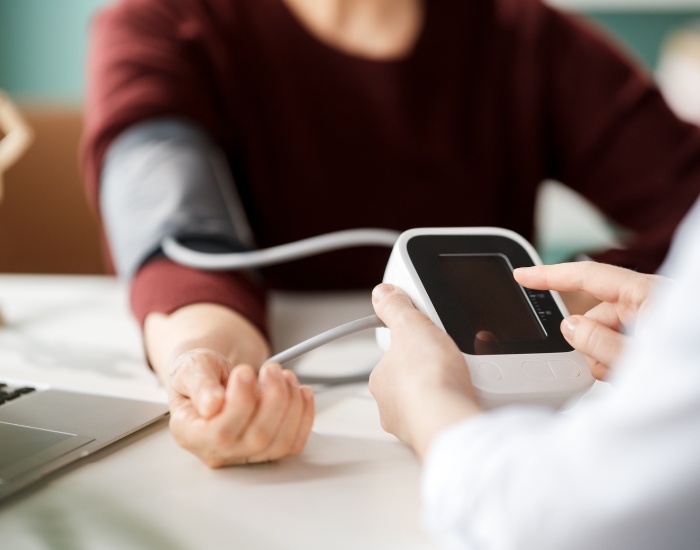
High blood pressure, also known as hypertension, is often called a silent condition because many individuals do not experience noticeable symptoms in the early stages. However, recognizing the signs of high blood pressure is essential for preventing serious health complications such as heart disease, stroke, and kidney damage. Many people searching for “high blood pressure symptoms” or “early signs of hypertension” may already be experiencing subtle warning signals without realizing their significance. Early detection and timely consultation with a primary care physician near me can significantly improve long-term health outcomes.
Table of Contents
- What is High Blood Pressure
- Causes of High Blood Pressure
- Signs of High Blood Pressure
- Additional Warning Signs
- When to See a Doctor
- Diagnosis
- Treatment and Prevention
- Recommended Clinic in Stafford
- Conclusion
- FAQs
What is High Blood Pressure
High blood pressure occurs when the force of blood against the walls of the arteries remains consistently elevated. Blood pressure readings are measured using two values: systolic pressure, which indicates the pressure during heartbeats, and diastolic pressure, which reflects the pressure between beats.
A normal blood pressure reading is typically around 120 over 80 mmHg. Hypertension is generally diagnosed when readings consistently exceed 130 over 80 mmHg. Over time, elevated pressure can damage blood vessels and vital organs, making early recognition of high blood pressure symptoms crucial.
Causes of High Blood Pressure
Hypertension develops due to a combination of lifestyle, genetic, and medical factors. One of the most common contributors is poor dietary habits, particularly excessive sodium intake. Diets high in processed foods can significantly increase blood pressure levels.
A sedentary lifestyle also plays a major role. Lack of physical activity reduces heart efficiency and contributes to weight gain, both of which are risk factors for hypertension. Obesity further increases the strain on the cardiovascular system.
Chronic stress is another important factor. Stress hormones can temporarily raise blood pressure, and long-term stress may contribute to sustained hypertension. Additionally, underlying medical conditions such as kidney disease, hormonal disorders, and diabetes can increase the risk.
Understanding these causes helps individuals take proactive steps toward prevention and early management.
Signs of High Blood Pressure
The signs of high blood pressure are often subtle and may go unnoticed for years. Unlike other medical conditions, hypertension does not always present clear symptoms, which is why it is frequently detected during routine medical check-ups.
- Headaches: Persistent or severe headaches, especially in the morning, may be associated with elevated blood pressure.
- Shortness of breath: Difficulty breathing during routine activities can occur when the heart is under strain.
- Nosebleeds: Although not common, recurrent nosebleeds may indicate significantly elevated blood pressure levels.
- Dizziness: Feeling lightheaded or unsteady can be linked to fluctuations in blood pressure.
- Chest discomfort: Mild chest pain or tightness should never be ignored, as it may signal cardiovascular stress.
These symptoms are not always present, but when they occur, they should prompt further evaluation by a healthcare professional.
Additional Warning Signs
As hypertension progresses, more serious symptoms may develop, indicating potential complications.
- Vision problems: Blurred or reduced vision can occur due to damage to blood vessels in the eyes.
- Irregular heartbeat: Palpitations or an abnormal heart rhythm may develop with prolonged high blood pressure.
- Fatigue or confusion: Reduced blood flow to the brain can lead to cognitive difficulties or extreme tiredness.
- Blood in urine: This may indicate kidney involvement, a serious complication of hypertension.
- Severe chest pain or stroke symptoms: Sudden weakness, difficulty speaking, or numbness on one side of the body requires immediate emergency care.
Recognizing these warning signs is critical for preventing life-threatening complications.
When to See a Doctor
High blood pressure often requires medical diagnosis rather than relying solely on symptoms. Individuals should schedule an evaluation if they experience persistent headaches, dizziness, or shortness of breath.
Routine screenings are especially important for individuals with risk factors such as obesity, family history, or a sedentary lifestyle. Visiting a primary care physician near me ensures accurate monitoring and early intervention.
Immediate medical attention is necessary if symptoms such as chest pain, severe headache, or neurological changes occur. In such cases, visiting an urgent care and walk-ins in Stafford facility is recommended.
Diagnosis
Diagnosing high blood pressure involves measuring blood pressure using a standardized cuff. Multiple readings over time are typically required to confirm a diagnosis.
Healthcare providers may also recommend additional tests, including blood tests, urine analysis, and electrocardiograms, to assess overall health and detect any underlying conditions.
Regular monitoring is essential, as blood pressure levels can fluctuate due to stress, activity, and other factors.
Treatment and Prevention
Managing high blood pressure involves a combination of lifestyle modifications and medical treatment. Dietary changes, such as reducing sodium intake and increasing consumption of fruits and vegetables, play a crucial role.
Regular physical activity improves cardiovascular health and helps maintain healthy blood pressure levels. Weight management is equally important, as even modest weight loss can have a significant impact.
Medications may be prescribed depending on the severity of hypertension. These may include diuretics, ACE inhibitors, or beta-blockers.
For comprehensive care, consider consulting a primary care physician in Stafford to receive personalized treatment and guidance.
Recommended Clinic in Stafford
Stafford Primary Care is dedicated to providing comprehensive evaluation and management for patients experiencing signs of high blood pressure. The clinic emphasizes early detection, personalized treatment plans, and ongoing monitoring to prevent complications.
With a patient-centered approach, the medical team ensures accurate diagnosis and effective management strategies tailored to individual needs. Whether you require routine screening or immediate care, the clinic offers accessible services for urgent care and walk-ins near me in Stafford.
Contact Us
Location:
203 Brand Ln #35 Stafford
Texas 77477
Phone:
(281) 598-6614
Email:
info@staffordprimarycaretx.com
You can easily book an appointment online at your convenience by visiting the clinic’s official scheduling page.
Conclusion
The signs of high blood pressure are often subtle, but their impact on long-term health can be significant. Early recognition, routine monitoring, and timely medical intervention are essential for preventing serious complications such as heart disease and stroke.
By understanding the causes, identifying symptoms, and seeking care from a qualified healthcare provider, individuals can take proactive steps toward maintaining optimal cardiovascular health.
FAQs
1. What are the early signs of high blood pressure?
Early signs may include headaches, dizziness, and shortness of breath, although many individuals have no noticeable symptoms.
2. Can high blood pressure exist without symptoms?
Yes, hypertension is often asymptomatic, which is why regular screening is important.
3. How often should blood pressure be checked?
Adults should have their blood pressure checked at least once a year, or more frequently if they have risk factors.
4. What is considered dangerously high blood pressure?
Readings above 180 over 120 mmHg are considered a hypertensive crisis and require immediate medical attention.
5. Can lifestyle changes lower blood pressure?
Yes, diet, exercise, weight management, and stress reduction can significantly improve blood pressure levels.
Medical Disclaimer: This content is for informational purposes only and does not constitute medical advice. Always consult a qualified healthcare provider for diagnosis and treatment of any medical condition.