



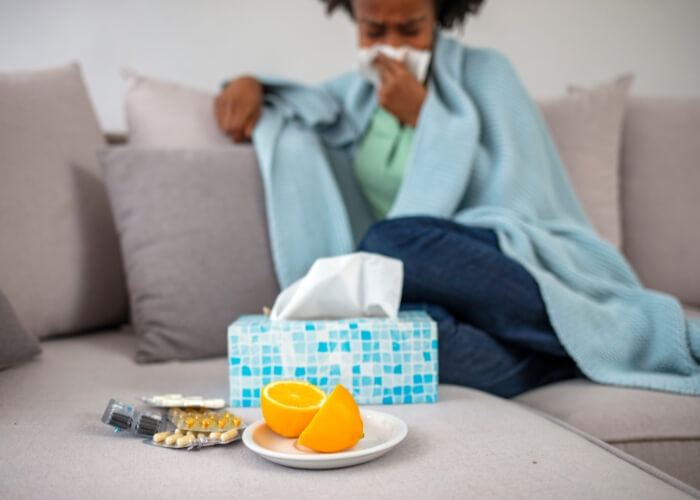
The seasonal flu is a highly contagious viral infection that affects millions of people worldwide each year. It can cause a range of symptoms, including fever, chills, cough, sore throat, muscle aches, and fatigue. In severe cases, it can lead to complications such as pneumonia, hospitalization, and even death. As the seasons change, it's important to take steps to protect yourself and those around you from the flu.rnrnIn this blog, we'll share swift tips for preventing and protecting yourself from the seasonal flu. We'll also explain how annual flu vaccination helps prevent the flu, and how prescription antiviral medicines are used to treat it if you do get sick.rnrnIn addition to vaccination, we'll discuss other strategies for staying safe during flu season. These may include getting a flu vaccine, practicing good hygiene, and avoiding close contact with people who are sick. By following these simple steps, you can minimize your risk of catching the flu and protect yourself and your loved ones from this potentially dangerous illness. So let's dive in and discover how you can stay healthy and flu-free all year round!rn
Understanding the Seasonal Flu: Causes, Symptoms, and Complications
rn
Importance of Flu Prevention: Why You Should Take the Flu Seriously
rn
rn
rn
rn
rn
Flu Vaccines: What You Need to Know About Getting Vaccinated
rnVaccination is one of the most effective ways to prevent the seasonal flu. Each year, scientists work to develop a flu vaccine that can protect against the most common strains of the virus. By getting vaccinated, you can reduce your risk of getting sick and spreading the flu to others.rnrnIn this blog, we'll explore the ins and outs of flu vaccines and what you need to know about getting vaccinated. We'll start by explaining how the flu vaccine works and why it's important to get vaccinated every year. We'll also address common concerns and misconceptions about flu vaccines, such as their safety and effectiveness.rnrnWe'll then discuss who should get vaccinated against the flu and when, as well as the different types of flu vaccines available. We'll also delve into the potential side effects of the vaccine and what to do if you experience them.rnrnIn addition to vaccination, we'll cover other preventive measures you can take to reduce your risk of getting the flu, such as practicing good hygiene and avoiding close contact with sick people.rnrnBy the end of this blog, you'll have a better understanding of the importance of flu vaccines and what you need to know to make an informed decision about getting vaccinated. So let's dive in and learn more about this critical aspect of flu prevention.rnrn
rn
rn
Best Practices for Preventing the Flu: Simple Steps to Stay Healthy
rn
rn
rn
rn
rn
rn
The Role of Good Hygiene: Handwashing, Disinfecting, and More
rnGood hygiene is critical to preventing the spread of the flu and other illnesses. Simple practices like handwashing and disinfecting surfaces can go a long way in reducing the risk of infection, especially during flu season when viruses are more prevalent.rnrnIn this blog, we'll explore the role of good hygiene in preventing the flu and other illnesses. We'll start by discussing the importance of handwashing, including when and how to do it effectively. We'll also cover the benefits of using hand sanitizer and other disinfectants to kill germs on surfaces and in the air.rnrnAdditionally, we'll examine other hygiene practices that can help reduce your risk of getting sick, such as avoiding touching your face, wearing a mask in public, and practicing social distancing.rnrnWe'll also discuss the benefits of implementing good hygiene practices in schools, workplaces, and other communal spaces to prevent the spread of the flu and other illnesses.rnrnBy incorporating good hygiene practices into your daily routine and encouraging others to do the same, you can help reduce the spread of germs and keep yourself and those around you healthy. So let's dive in and learn more about the role of good hygiene in preventing the flu and other illnesses.rn
Flu Vaccination vs. Antiviral Treatment: Knowing the Difference
rnFlu vaccination is the main way to prevent the seasonal flu. Each yearu2019s vaccine is updated to match the strains expected to circulate, and getting vaccinated lowers your risk of getting sick and of spreading the flu to others.rnrnFlu vaccines come in more than one form. Most people get a flu shot, and a nasal-spray flu vaccine is also available for certain ages and health conditions. A clinician can advise which option is appropriate for you. Importantly, a flu vaccine is for prevention u2014 it is not a treatment for an active flu infection.rnrnIf you do get the flu, prescription antiviral medicines are used for treatment, not prevention. They work best when started early u2014 generally within the first day or two of symptoms u2014 and a clinician decides whether an antiviral is appropriate for you.rnrnAntiviral treatment works alongside, not instead of, prevention. Vaccination, good hygiene, and staying home when sick remain the best ways to reduce your risk of catching and spreading the flu.rnrnIf you think you may have the flu u2014 especially if you are at higher risk of complications u2014 contact a clinician promptly to discuss whether testing or antiviral treatment is right for you.rnrn
rn
rn
rn
rn
rn
When to Seek Medical Attention: Signs You May Need Professional Help
rn
rn
rn
Final Thoughts: Staying Safe and Healthy During Flu Season and Beyond
rn
rn
rn
rn
Conclusion:
rnThe flu is a serious illness that can cause a range of symptoms and complications, but with the right knowledge and tools, you can take steps to prevent and treat it. From getting vaccinated and practicing good hygiene to seeking medical attention when necessary, there are many strategies you can use to stay safe and healthy during flu season and beyond.rnrnWe've explored a range of topics related to flu prevention in this blog, including the role of good hygiene, the benefits of flu vaccines and other preventive measures, and the difference between vaccination for prevention and antiviral medicines for treatment. By incorporating these strategies into your daily routine, you can reduce your risk of getting sick and protect yourself and those around you.rnrnRemember, staying informed and taking proactive steps to prevent and treat the flu can make all the difference. So take the time to learn more about these strategies and tools, and take action to stay healthy and safe during flu season and beyond.rnrn
rn
rn
rn
rn
rn
rn
rn
rn